Decluttering For Love: Why and How
I recently sat down with my friend Sherry Richert Belul to talk about two things we both care a lot about: homes and the living in/leaving of homes. Sherry is the author of The Love List of a Lifetime, a beautiful end-of-life planner that helps people organize the practical details of their lives while also tending to what matters most—love, meaning, and legacy.
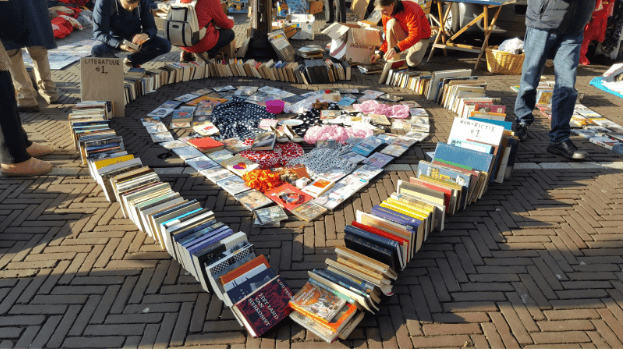
In our Facebook Live conversation, we focused on one surprisingly emotional topic: our stuff. After more than 35 years as a San Francisco Realtor, I’ve seen it all—homes full to the gunnels with junk, and homes with decor so spare I'm shocked to see a roll of toilet paper visible in the bathroom.
I’ve also walked alongside many families who are sorting through a loved one’s house after a death. At best, the objects they find are tender reminders: “That’s her piano,” “That’s the chair she always sat in.” At worst, it’s an overwhelming onslaught of (let’s be honest) crap: twist ties, broken electronics, decades of unread magazines.
We talked about how we can start making kinder decisions now—decisions that lighten our own lives and spare our loved ones later.
👉 [Watch the full conversation with Sherry Richert Belul here.]
Highlights from Our Conversation
Why this topic matters now, not “someday.” Sherry’s book, The Love List of a Lifetime, is designed to help people “get off the dime” and start planning for that inevitable day when we won’t be here—and how our choices today can ease the burden on the people we love.
Everyone has a “stuff style.” From “please don’t look over there” piles to homes where nothing is out of place, we each have our own relationship with possessions, clutter, and control. There’s no one right way—but there is a cost to ignoring it.
The emotional weight of going through a loved one’s home. After a death, every object can hold a memory. Even the sweetest memories come wrapped in grief—and when there’s too much, resentment and exhaustion can quickly join the mix.
Tip: Take a photo, then let it go. If you’re only keeping something because it feels “meaningful,” try photographing it and then donating, selling, recycling, or discarding it. The story and memory can live on without the physical object taking up space.
Tip: Ask the yard-sale question. When you’re unsure whether to keep something, ask: “If I saw this at a yard sale today, would I buy it?” If the answer is no, you’re “buying” it now by paying with your space, time, and mental energy.
Tip: Consider the “endowment effect.” We tend to overvalue things just because we own them. A teapot your mother bought in Chinatown in 1958 may feel priceless, but a quick Google Lens search might reveal that it sells for 25 cents online. Sometimes a neutral friend or professional organizer can offer a much-needed reality check.
Tip: Collectibles that aren’t really collectible. Avon bottles, milk glass, stacks of old magazines, commemorative plates—many of us were taught to “save it, it’ll be worth something.” Often, it isn’t. We can honor our loved ones without preserving every object they ever cherished.
Tip: Turn objects into stories. Instead of leaving your family to guess what mattered to you, choose a handful of meaningful items and record the stories behind them—on video, audio, or in writing (even a tiny haiku). Story turns “stuff” into legacy.
Tip: Ask your people what they’d actually want. Check in with loved ones now: “Is there anything of mine you’d truly like to have someday?” Then jot it down, along with the story of that item, so no one has to about it guess later.
Tip: Let things “rise to their value” elsewhere. Sometimes the most loving, efficient choice is to let go quickly: donate to a place like Community Thrift in San Francisco, use Next Door “free” boards, or leave items where someone else who needs them can find them. You don’t have to manage every last outcome.
Decluttering as a way of adding time to your life. Making more expedient decisions about our belongings doesn’t have to be a horrible chore. It can be a gentle, ongoing practice that frees time, space, and energy—for you now, and for those who will one day walk through your home without you in it.
If you’d like support thinking about your home—whether you’re planning a future move, navigating a sale after a loss, or just feeling overwhelmed by “too much stuff”—I’m always happy to talk.
Stay up to date on the latest real estate trends.

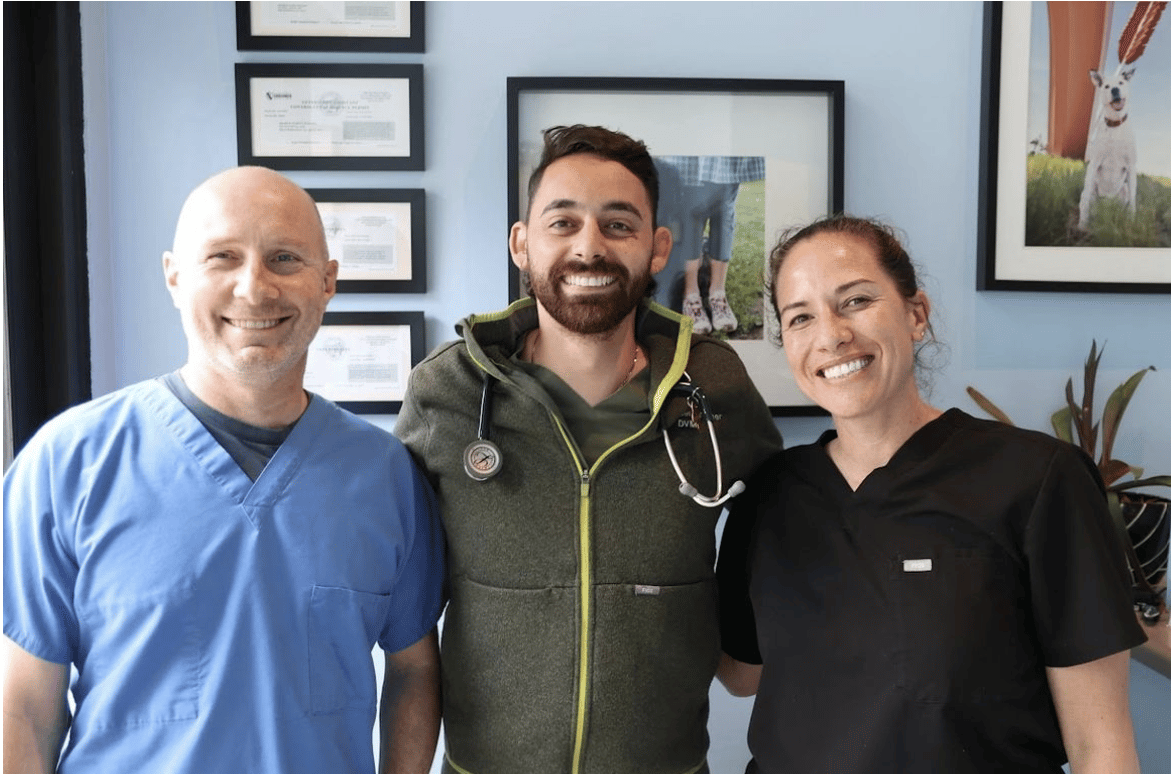
Want to give your pets the happiest, healthiest lives possible?

Why Buyer-Agent Monogamy is a Win-Win for All

You’ve got questions and we can’t wait to answer them.