Bigger Isn't Always Better
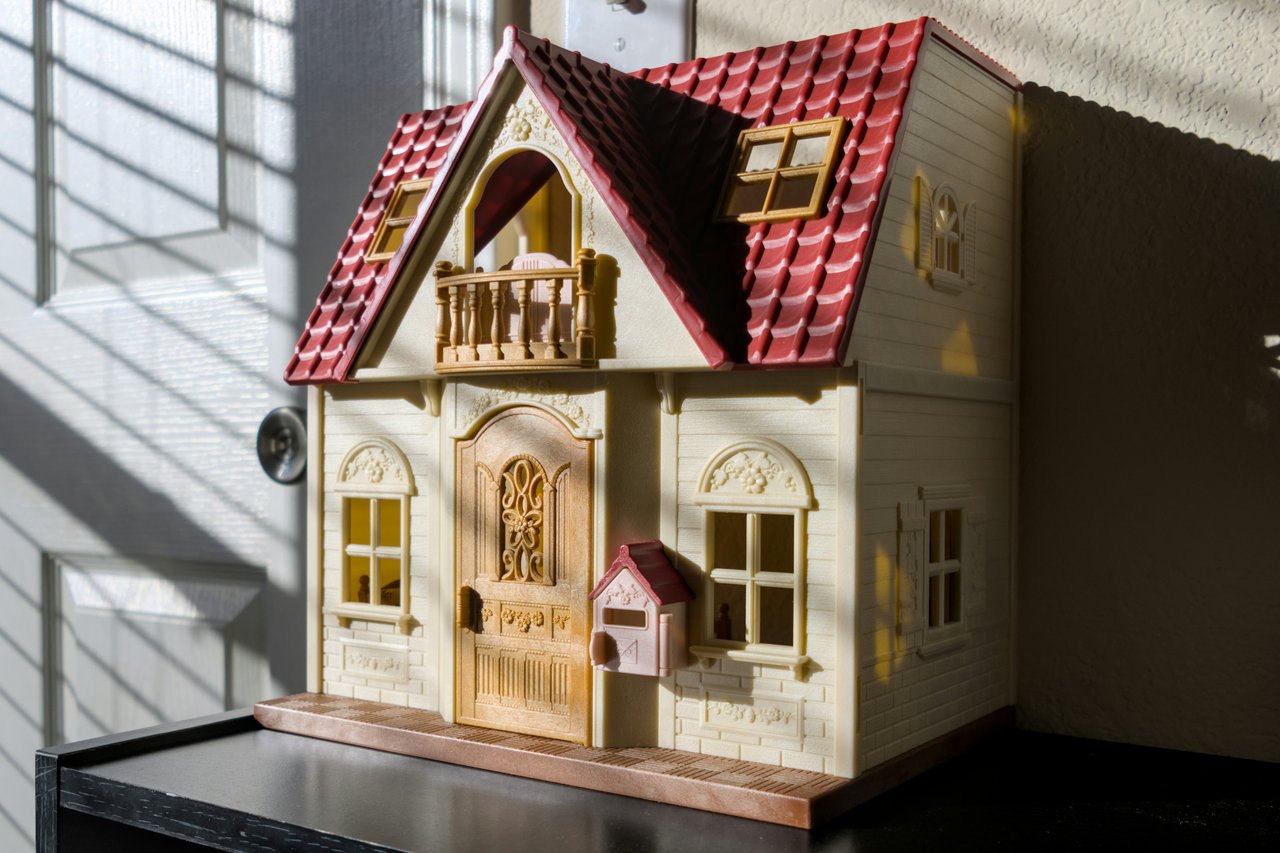
I recently read a thoughtful article in the Washington Post called “Why smaller houses can lead to happier lives.” If you have a few minutes, it’s worth a read. (If you hit a paywall, let me know and I can copy it as a pdf and send it to you.) It explores what many of us sense intuitively but don’t always articulate: That more square footage doesn’t necessarily translate into more happiness.
As a Realtor in San Francisco, I’ve long known that bigger isn’t always better. It’s a city where space is earned, negotiated, paid for dearly, and often fiercely protected. Closets are smaller (or non-existent). Hallways are narrower (or non-existent). Rooms tend to do double—or triple—duty. You will seldom hear someone lamenting “We have more space than we know what to do with.”
What that forces, quietly and persistently, is intention. You learn to ask: What do I actually need? What do I want my home to support? How do I want to live inside these walls?
There’s no room for the “someday” spaces—the formal dining room no one uses or the bonus room that becomes a storage unit. I find this – almost always – freeing, not limiting.
We’ve all walked into a large house that felt… empty. Not physically empty, but emotionally vacant. Beautiful finishes, soaring ceilings, impeccable decor—and yet something essential is missing. The rooms feel disconnected rather than inviting. There’s space for everything except ease.
Big houses don’t cause this, of course. But size can amplify absence just as easily as it amplifies comfort. When a home is larger than the life unfolding inside it, the imbalance is palpable.
What the WAPO article points to—and what many people recognize only after the fact—is that happiness is less about how much space you have and more about how that space is used, shared, and lived in.
There is something simultaneously noble and pragmatic about doing with less. Less to maintain. Less to heat, cool, insure, and repair. Less to clean on the weekend. Less to fill simply for the sake of filling.
Smaller homes (often) ask us to live closer to one another—physically and emotionally. They encourage overlap, conversation, shared rituals. They don’t allow us to retreat quite as easily into separate corners of our lives. And while that can feel challenging at times, it can also feel deeply human.
Beyond psychology, there are many very practical reasons not to automatically size up:
Instead of asking, “How big a house can I afford?” you might ask, “What kind of home will support the life I want to live?”
That answer looks different for everyone. For some, more space is exactly right. For others, less space—paired with a better neighborhood, shorter walks, deeper connections, or financial breathing room—is the real luxury.
In San Francisco, we’re often forced to confront that choice directly -- because square footage sells at such a premium. Buyers who choose thoughtfully—rather than reflexively—end up more content than they expected: Not because their homes are bigger. But because they had to contemplate the essentials for a happy home and, as a result, their lives feel fuller.
Stay up to date on the latest real estate trends.
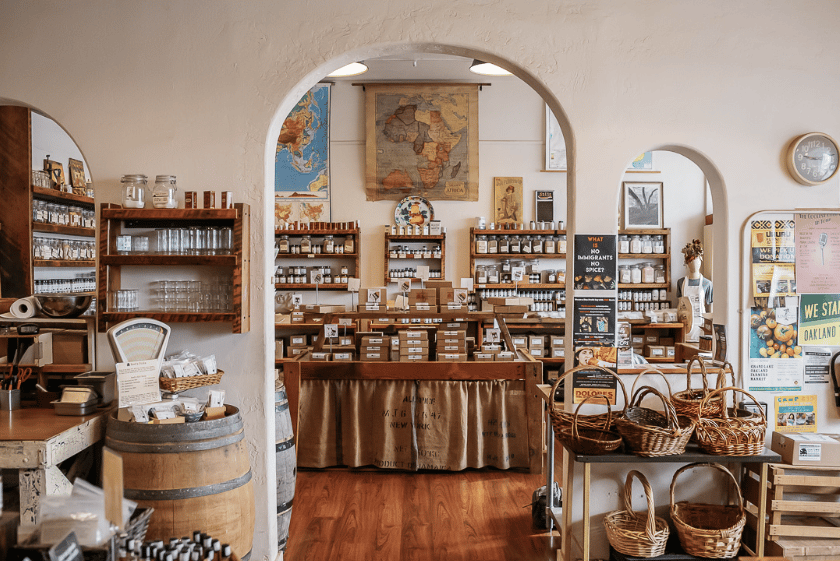
What was the inspiration for opening Oaktown Spice Shop? We moved to Oakland, near Lake Merritt, in 2009 and were surprised to discover that a city with such a vibran… Read more
We sat down with Alex Bohannan of Goosehead Insurance to better understand what’s happening in the market — and what our clients should be doing now. Alex is a real pr… Read more

(And How to Make it Easier)


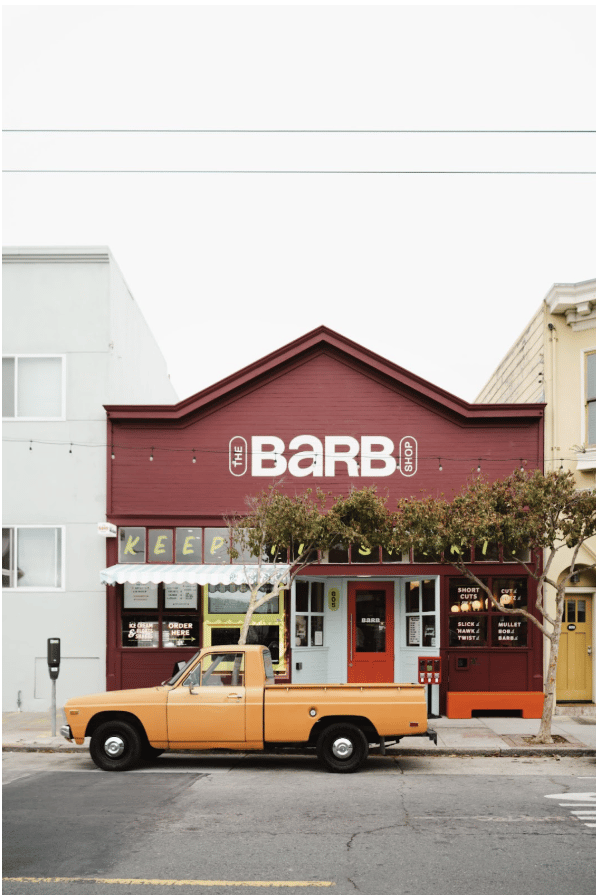
There's a new haven in town for cool people with short hair. The Barb Shop is Bernal's newest small business and if you've got (or want) short, stylish locks, you need… Read more

Need a day away? (of course you do.) No need to get on a plane. You don't even need the whole weekend! In 2 hours you can be a world away. Here are our hands-down favo… Read more
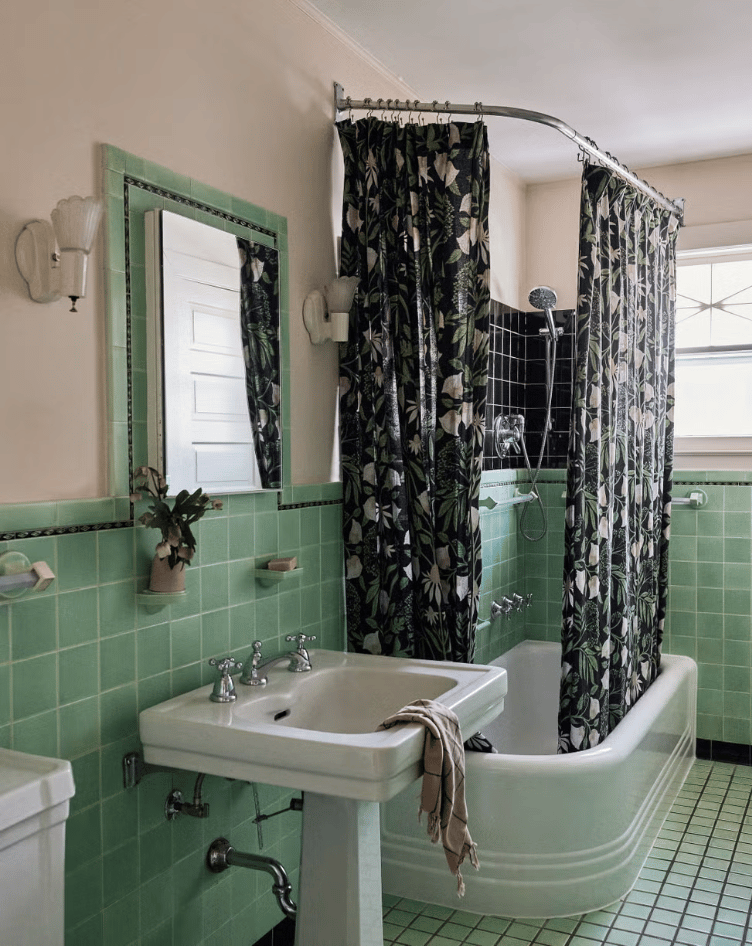
A full bathroom remodel starts at about $50k-$70k these days. But trust us: so many bathrooms don't need an entire re-do in order to feel fresh, clean, and modern.
You’ve got questions and we can’t wait to answer them.