Put Your House in Order: Two Estate Planning Steps Everyone Forgets

If you’ve spent more than five minutes around me—or, frankly, any real estate agent worth their salt—you’ve probably heard this refrain: Once you own a home (if not before), you need an estate plan. And yes, that means a living trust.
Why? Oh, just a few small things:
If you’ve already created your estate plan -- bravo! You’re ahead of a surprising number of homeowners. But here’s the part almost nobody talks about: Creating your living trust is only step one. There’s a step two. And a step three. And if you skip them, your beautifully crafted estate plan can quietly fall apart.
Missed Step #1
Setting up a trust is like opening a high-end, skillfully-designed container. Nice, but if you never put anything inside… it’s not doing much for you.
Every asset—yes, every single one—needs to be titled in the name of your trust:
If an asset isn’t in the trust and doesn’t have a designated beneficiary, guess what? It may still end up in probate. Which is exactly what we were trying to avoid in the first place.
So here’s the rule of thumb: Anytime you acquire a new asset or open a new account, pause and ask: “Is this in my trust?” It’s not a one-and-done task. It’s an ongoing habit.
Missed Step #2
Imagine this: You "go up yonder" a week before property taxes and income taxes are due. It was on your to-do list. You were definitely getting to it. But… life. Now, as you look down from your heavenly perch, you see your trustees (likely grieving loved ones) are:
This is where a well-organized “life file” becomes an act of real love. At minimum, your trustee needs:
This does not mean leaving behind a proverbial puzzle of sticky notes on your desk. It means creating a secure, password-protected system—whether that’s a password manager, encrypted document, or other organized method—so your trustee can follow the breadcrumbs without turning into a forensic detective.
Help to Get You Started on Steps 2 and 3
If you’re thinking, “I’ll get to it" and then not getting to it—you’re in very good company.
This is why I recommend the book Love List of a Lifetime by Sherry Richert Belul. It walks you through these conversations and decisions in a way that’s surprisingly warm, grounding, and doable. Less “legal checklist,” more “thoughtful act of care.” I promise it'll help you stop procrastinating.
When It's All Said and Done
Estate planning isn’t just paperwork. It’s not just about avoiding probate or saving money (though those are excellent perks). It’s about making things easier for the people you love during one of the hardest moments of their lives.
If you haven't set up your estate plan, do that now. (I can introduce you to some reliable estate planning attorneys.)
After that's done, you'll want to finish the job: Fund your trust. Leave clear instructions for your heirs. Get your house in order -- in the name of love!
Stay up to date on the latest real estate trends.



How to address your shortage of silliness and spontaneity.

Downsizing? Upsizing? And over 55? You need to read this.

He enabled a LOT of people to make a LOT of money on their real estate
Real estate transactions are emotional not logical.

Exceptional, extraordinary, remarkable...
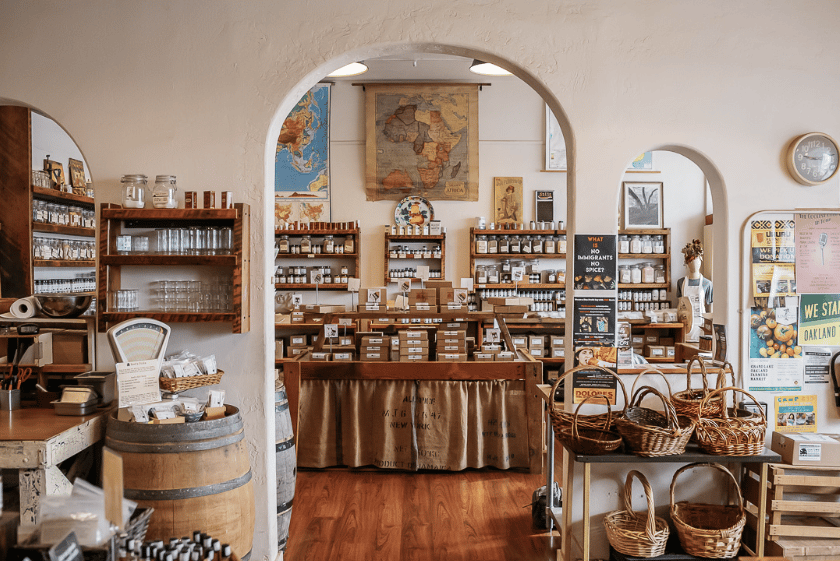
What was the inspiration for opening Oaktown Spice Shop?

You’ve got questions and we can’t wait to answer them.