What DBI Wants You to Know About Permits
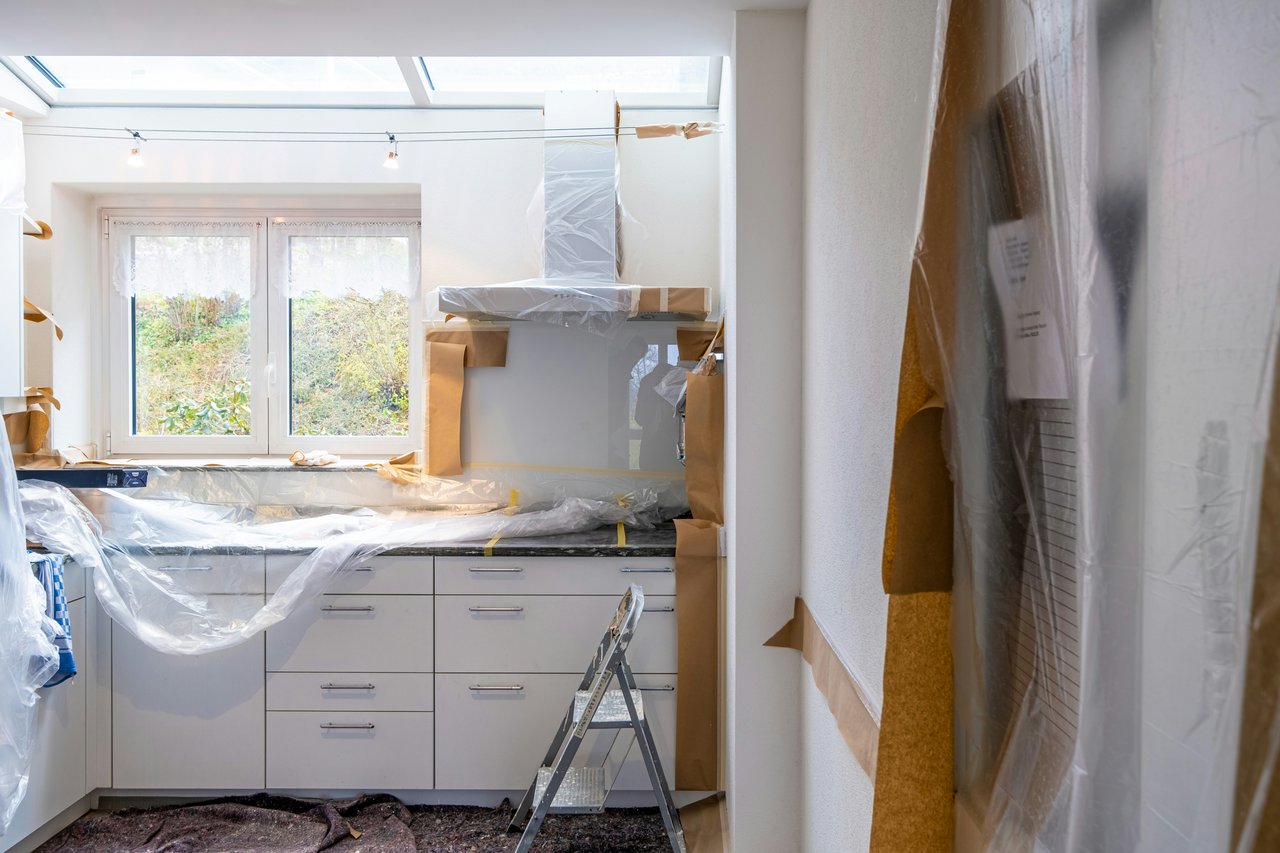
Recently, we attended a webinar on a fraught and often confusing topic for San Francisco property owners: unpermitted (or "unwarranted") spaces and improvements.
A significant number of San Francisco homes contain unpermitted work. Part of the reason is that homeowners are often daunted by the permitting process itself. Common concerns include long wait times, high costs, and the possibility that previously unpermitted work will be uncovered during inspections.
The fear of a costly "gotcha" can create a cycle in which successive owners choose to make improvements without obtaining permits.
We encounter unpermitted work daily, from remodeled kitchens and finished basements to, occasionally, full additions.
So what are the implications of completing work without permits—or purchasing a home where previous owners did? DBI recently addressed these questions in a presentation for the San Francisco Association of Realtors, and the recording is now available to the public. You can watch it HERE.
The scope of work that does not require a permit is fairly limited. Most upgrades technically require one. If you're unsure, DBI can advise you on whether a permit is needed for your project.
There are established pathways for bringing unwarranted spaces and upgrades into compliance.
You can visit DBI in person with a sketch of your space and discuss legalization options with an inspector without providing your address.
According to DBI, homeowners who inherit unpermitted work and voluntarily apply to legalize it will not be fined.
However, homeowners who are actively doing new improvements sans permits can be subject to fines.
Minimum legal ceiling heights for habitable spaces are 7'6" in living areas and 7' in bathrooms and kitchens (see 36:45 in the video for more detail). If a space doesn't meet these requirements, DBI suggests either lowering the floor or raising the structure—both significant and often costly undertakings.
Buyers should perform thorough due diligence before purchasing, as responsibility for unpermitted work transfers to the new owner. (This is a topic we spend considerable time discussing with clients.)
Permit fees are typically 6–9% of construction costs.
If your property has permits that were never finalized, you may be able to pay an administrative fee, have the work inspected, and obtain final sign-off.
Rules governing in-law units and spaces that could function as separate dwelling units are considerably more complex. To start with, DBI's definition of a "unit" differs from the Planning Department's, and both departments are involved in the legalization and permitting process. If a space has historically been used as a separate dwelling unit in the past, legalization can be challenging, but so can removing/demo'ing the unit. There are a lot of factors to discuss and consider.
If you have questions, you can contact DBI directly at [email protected] or visit their offices to speak with an advisor in person.
In our experience, an experienced local architect or contractor is often your best ally when navigating San Francisco's permitting process. SF is unlike any other regulatory environment, so it's important to work with professionals who understand the city's requirements. If you'd like an introduction to trusted architects, contractors, or other specialists, contact us. We're happy to help!
Stay up to date on the latest real estate trends.




Want to give your pets the happiest, healthiest lives possible?
You’ve got questions and we can’t wait to answer them.